
Ocean Acidification Explained
The Caribbean's waters are changing. Understanding why matters for all of us.
What is Ocean Acidification?
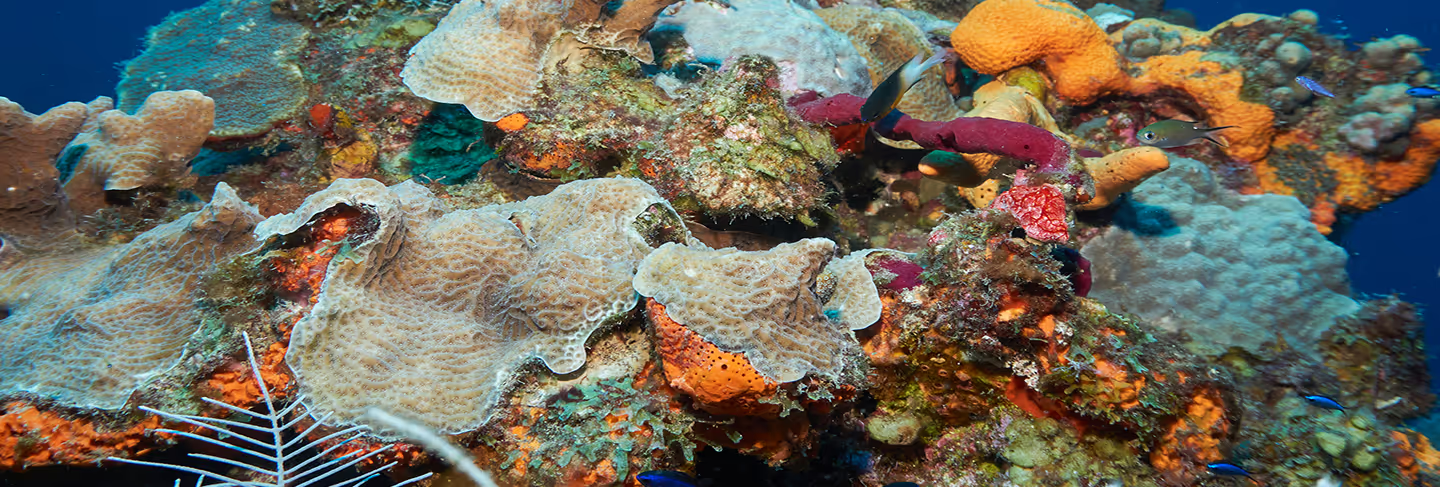
Ocean acidification is the gradual decrease in pH (increase in acidity) of seawater that occurs when excess atmospheric carbon dioxide (CO₂) dissolves in seawater. These chemical changes reduce the availability of calcium carbonate in the ocean, making it more difficult for organisms such as corals, mollusks and some plankton to build and maintain their structural integrity.

Higher CO₂ Emissions
Ocean acidity has risen by approximately 30% due to higher atmospheric carbon dioxide (CO₂) concentrations, largely driven by human activities such as fossil fuel combustion and deforestation.

The Nature’s Sponge
The ocean serves as a sponge and absorbs about 30% of CO₂, triggering chemical changes that affect acidity.

Global Impact
Ocean acidification disrupts marine life and has cascading effects on the marine food web, food security, shoreline protection, economies, and cultural heritage.
Coastal Acidification Drivers: Understanding What’s Changing Our Nearshore Waters
The combined effects of rising carbon dioxide and local environmental stressors intensify and accelerate changes in coastal seawater chemistry, threatening shallow ecosystems such as coral reefs, seagrass meadows, and mangrove forests.
Runoff from Land
Rain washes soil, fertilizers, and waste into the ocean. This can fuel algae growth. As algae and organic matter decay, they release CO₂.
Sargassum Inundations
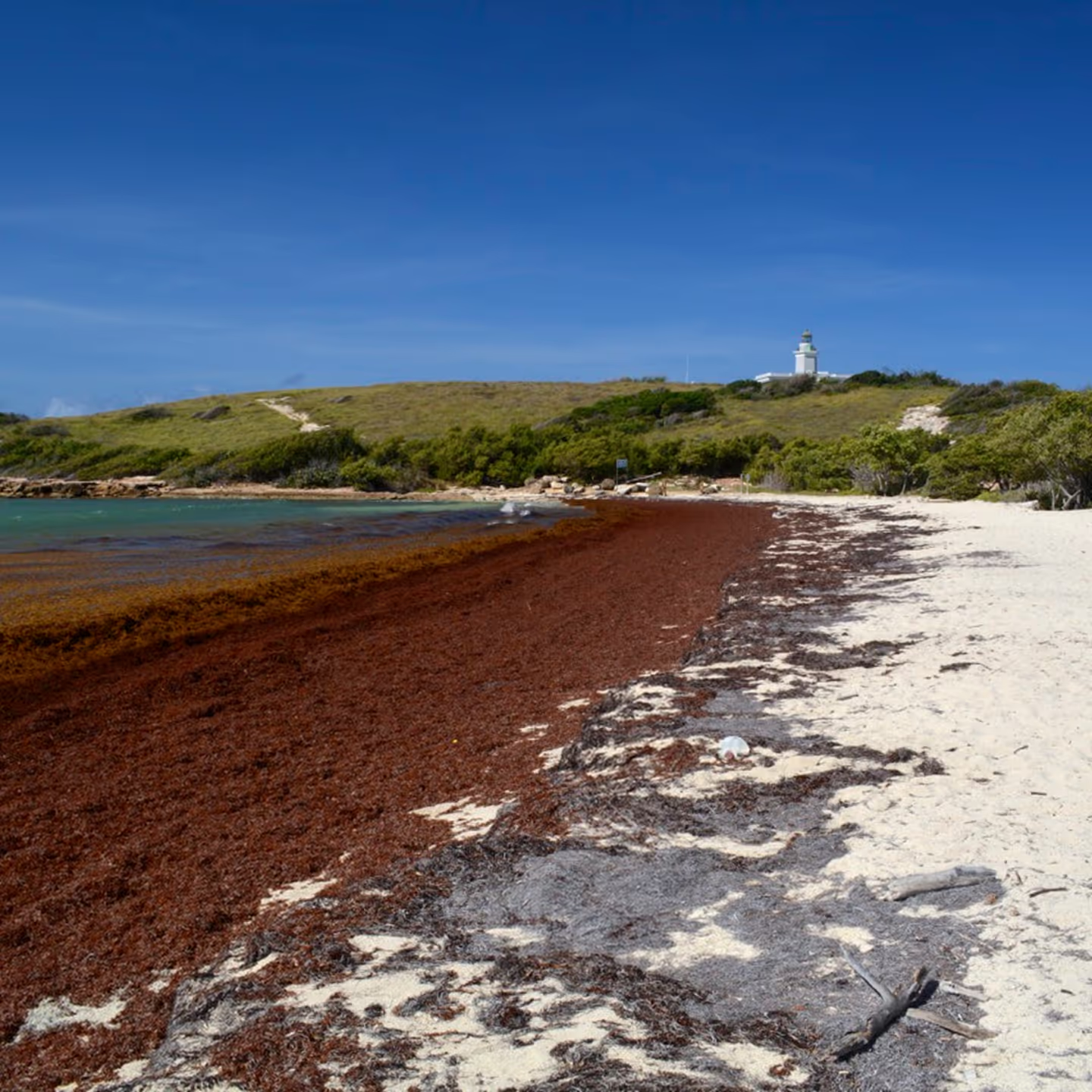
Large amounts of Sargassum pile up and rot near the shore, reducing light, releasing CO₂, and depleting oxygen in the water column. This makes the water more acidic and stresses marine life.
Limited Water Movement
In lagoons and bays, water circulation is limited, allowing CO₂ to get trapped, resulting in acidity increments over time.
Warming Waters
Higher temperatures can speed up biological processes that produce CO₂, thus worsening acidification.
Ocean Acidification is Happening: How You Can Help
Ocean acidification is already underway, but we can still reduce its impact. Taking action is critical to protect marine ecosystems, economies, and the communities that depend on a healthy ocean.
Reduce Carbon Dioxide Emissions
Cut CO₂ emissions by supporting clean energy deployment and advancing climate-smart policies in business and government.
Protect and Restore Coastal Ecosystems
Support the protection and restoration of coral reefs, mangroves, and seagrasses that help store carbon and protect our coasts.
Reduce Land-Based Pollution
Reduce runoff by improving agricultural practices, urban development, and supporting practices that keep our coastal waters clean.
Track Changes, Protect Communities
Invest in research and monitoring to track changes, identify hotspots, and understand species responses to OA, to help guide adaptive actions that protect ecosystems and communities.
Learn, Share and Engage
Learn about ocean acidification, share knowledge, and take action in your community to drive meaningful change.
Promote Science-Informed Public Policy
Encourage policies that support practices that reduce emissions, conserve our existing natural ecosystems, and restore those we have lost.